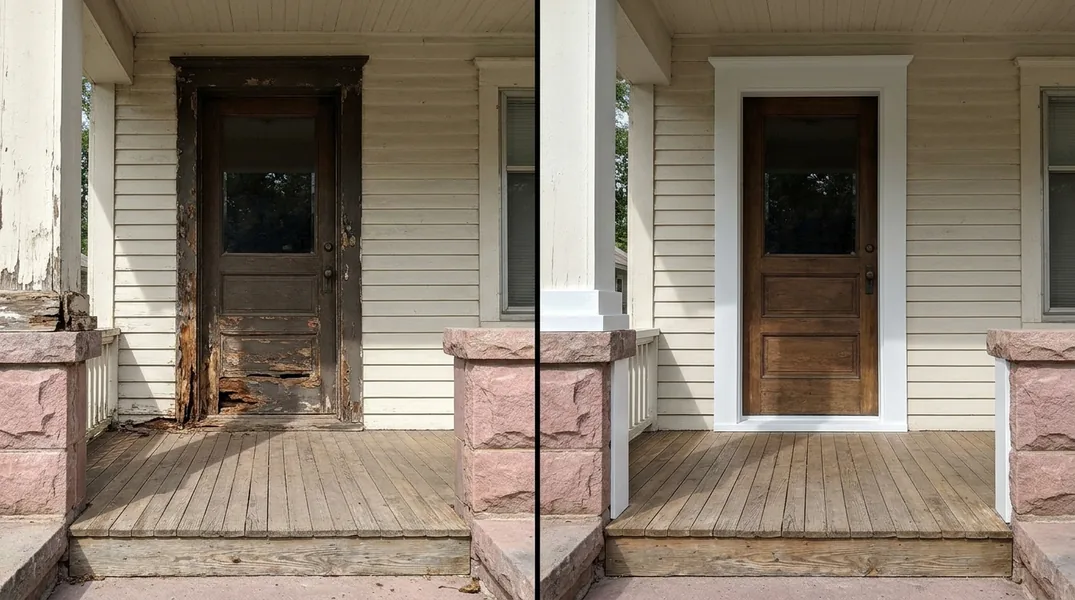
Is Wood Rot Covered by Homeowners Insurance?
One of the most common questions homeowners in Sioux Falls ask is whether their homeowners insurance will cover Wood Rot & Dry Rot Repair. The short answer is: typically no. Most standard homeowners insurance policies specifically exclude damage caused by wood rot, dry rot, and other forms of wood decay. Insurance companies classify these issues as maintenance problems rather than sudden, accidental damage.
The reasoning behind this exclusion is straightforward. Wood rot develops gradually over time due to moisture exposure, poor ventilation, or lack of maintenance. Since rot is considered a preventable condition that results from neglect or normal wear and tear, insurers argue it falls outside the scope of homeowners coverage. However, there are important nuances to understand. If wood rot develops as a direct result of a covered peril (such as a pipe burst or roof leak from a storm), you may have a stronger case for a claim. The key is documenting that the rot was caused by the insured event, not by long-term moisture problems or maintenance failures.
Hail Damage and Deck Insurance: What Your Policy Actually Covers
Hail is a common weather threat in South Dakota, and homeowners frequently wonder if hail damage to decks, siding, and roofs is covered. The good news is that hail damage is typically a covered peril under standard homeowners insurance policies. When a hailstorm damages your roof, deck, or exterior wood structures, you generally have grounds to file a claim. However, the coverage depends on several factors, including your policy limits, deductible, and the specific terms of your agreement.
In Sioux Falls, where spring and summer hailstorms are not uncommon, it is wise to document any visible damage immediately after a weather event. Take photographs, keep records of the date and time, and contact your insurance agent within the timeframe specified in your policy. If hail damages your deck, you may be eligible for repair or replacement coverage, though you will need to pay your deductible first. After a hail claim is approved, many homeowners discover that the damage extends beyond what is immediately visible. This is where professional contractors become invaluable, as they can identify secondary damage like weakened structural elements or wood that has begun to decay due to the initial impact and water intrusion.
Ice Dam Insurance Claims in South Dakota: Coverage and Challenges
Ice dams are a winter concern for many Sioux Falls homeowners, particularly those with older roofs or poor attic insulation. An ice dam forms when snow melts on your roof, runs down to the eaves, and refreezes due to colder temperatures. This barrier can trap water, which then backs up under shingles and into your home, causing interior water damage. The question of whether ice dam damage is covered by homeowners insurance is more complex than it might seem.
Most homeowners insurance policies do cover water damage caused by ice dams, but they typically do not cover the cost of removing the ice dam itself or preventing future ice dams. This means if an ice dam causes a roof leak that damages your ceiling, insulation, or walls, that water damage may be covered. However, the preventive measures you take (such as installing heat tape, improving attic ventilation, or adding insulation) are usually considered maintenance and fall on you to pay for. Additionally, many insurers will deny ice dam claims if they determine that poor maintenance or lack of proper attic ventilation contributed to the problem. To strengthen your position, document regular roof maintenance, keep receipts for any weatherproofing work, and have your home inspected annually to identify potential vulnerabilities.
When Water Damage Leads to Wood Rot: Insurance Gray Areas
The most common scenario where homeowners believe they have insurance coverage for wood rot is when rot develops as a secondary consequence of a covered water damage claim. For example, if a burst pipe causes water to seep into your basement and saturate wooden floor joists, you might initially think the water damage is covered. While the water damage itself may be covered, the resulting wood rot is often denied. Insurance companies argue that once the water is removed and the area is dried, any rot that subsequently develops is a maintenance issue, not a result of the original covered event.
This is why professional assessment is critical after any water intrusion event. If you experience water damage in your home, contact a qualified contractor immediately to assess the extent of moisture penetration and wood saturation. In some cases, aggressive drying and treatment can prevent rot from developing, which protects both your home and your insurance claim. If rot has already begun, you may need to explore alternative coverage options or consult with your insurance agent about dispute resolution. For homeowners facing extensive Floor Joist & Subfloor Repair due to water damage, understanding the distinction between the insured event and the secondary damage is essential to navigating the claims process successfully.
What You Can Do: Prevention, Documentation, and Professional Support
Since most wood rot and dry rot damage is not covered by insurance, prevention is your best defense. Regular home maintenance, proper drainage around your foundation, adequate attic ventilation, and prompt repair of roof leaks or plumbing issues will significantly reduce your risk of rot damage. In Sioux Falls, where winters are harsh and moisture problems are common, scheduling annual inspections of your roof, foundation, and wooden structures is a smart investment. Many homeowners who catch rot early can avoid expensive structural repairs like Beam Replacement & Load-Bearing Wall Removal.
If you do experience water damage or suspect wood rot, document everything carefully. Take photos, keep receipts for professional inspections, and maintain records of all maintenance work. When filing an insurance claim, be specific about the triggering event (the storm, the burst pipe, the roof leak) and separate it clearly from any secondary damage. Finally, do not hesitate to consult with a professional contractor before and after filing a claim. They can help you understand what damage is present, what may be covered, and what repair options are available. If you are concerned about wood rot or water damage in your home, contact Sioux Falls Carpentry at (605) 800-6259 to schedule a free estimate. Our team can assess your situation, explain your options, and help you plan the best path forward.
Moving Forward: Know Your Policy and Act Quickly
Understanding what your homeowners insurance does and does not cover is essential for protecting your investment. Wood rot is almost never covered, hail damage typically is, and ice dam damage exists in a gray area depending on the circumstances. The most important step you can take is to review your specific policy with your insurance agent and ask detailed questions about coverage limits, exclusions, and the claims process. Many homeowners are surprised to learn about gaps in their coverage only after damage occurs, so proactive communication with your insurer can prevent disappointment later.
If damage does occur, act quickly. File claims promptly, document everything, and seek professional assessment to understand the full scope of the problem. Whether you are dealing with a hail-damaged deck, water intrusion from an ice dam, or suspected rot in structural elements, professional guidance makes a significant difference in both the repair process and your insurance claim. Sioux Falls Carpentry has extensive experience helping homeowners navigate these situations and restore their homes to safe, sound condition. Reach out today at (605) 800-6259 or visit our website to learn more about our services and how we can help.
Looking for a professional carpentry contractor in Sioux Falls? Sioux Falls Carpentry responds fast for all your carpentry needs.
Get a Free QuoteOur services: Wood Rot & Dry Rot Repair · Termite Damage Repair · Floor Joist & Subfloor Repair